

NewsBeit Midrash Dedication Ceremony
Category:

Beit Midrash Dedication Ceremony

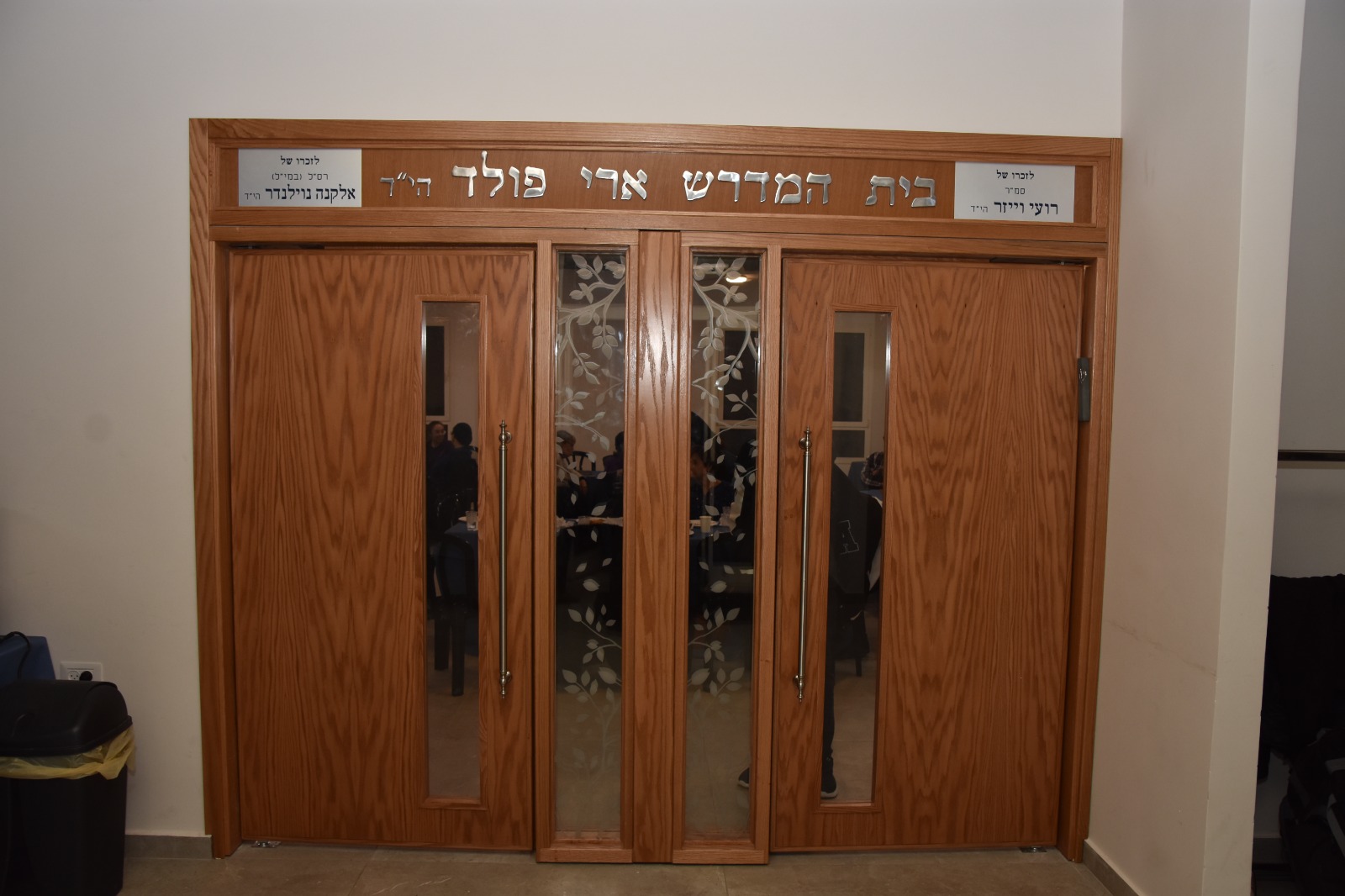
The Dedication Ceremony for The Ari Fuld Beit Midrash, in memory of Roi Weiser and Elkana Newlander HY"D, was held on Thursday evening.
Share this page:

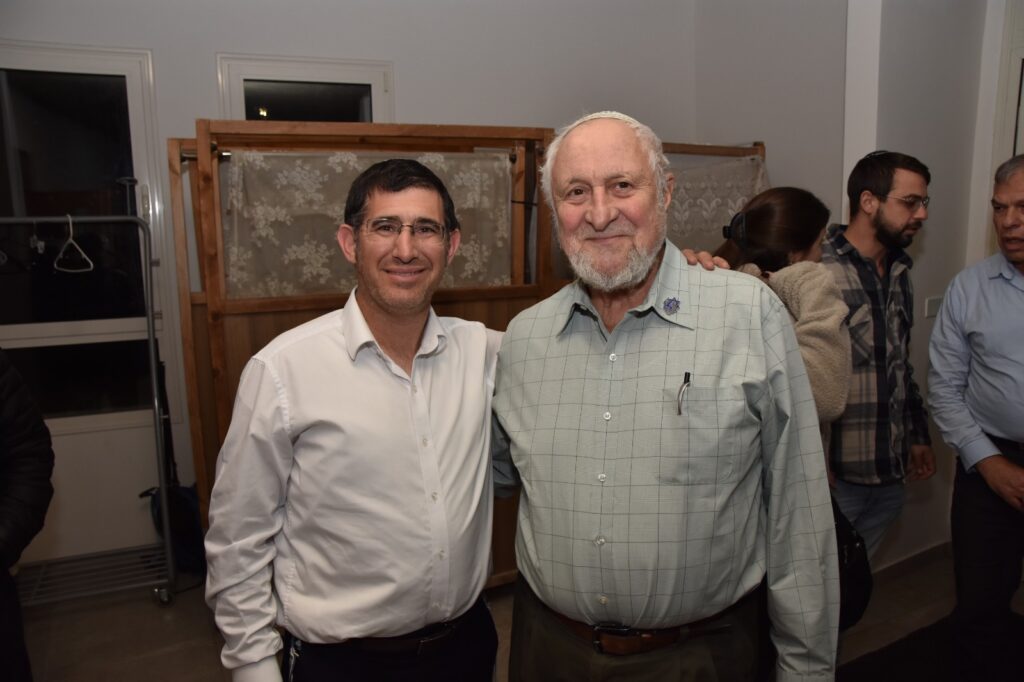
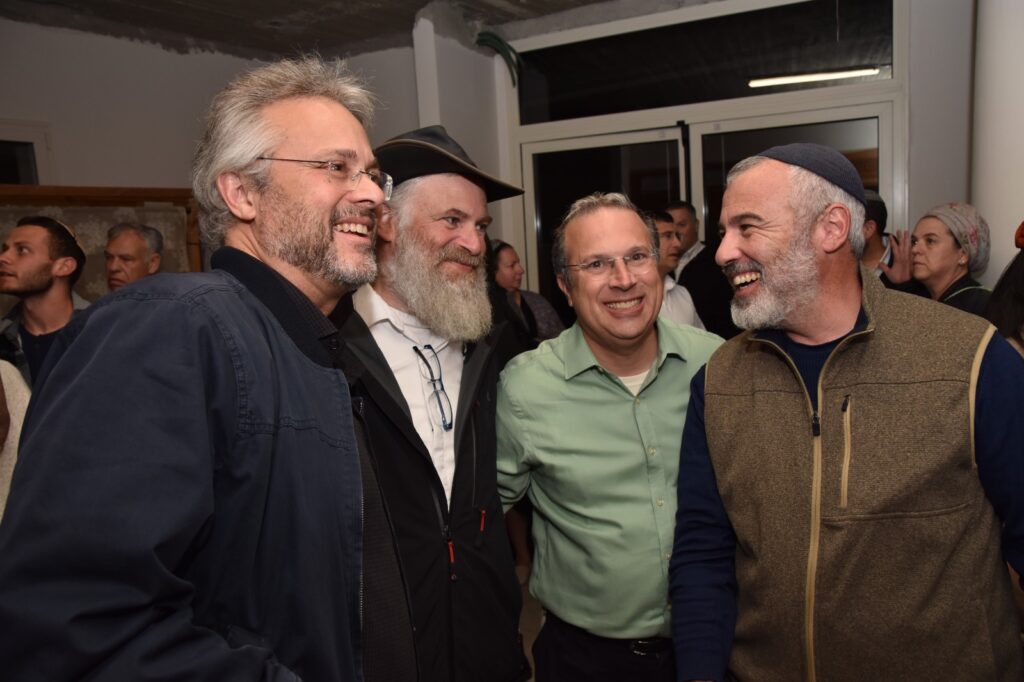
The Dedication Ceremony for The Ari Fuld Beit Midrash, in memory of Roi Weiser and Elkana Newlander HY”D, was held on Thursday evening (December 25, 2025) in the presence of the extended Fuld, Newlander and Weiser families and the board members of Kehillat Zayit Raanan.

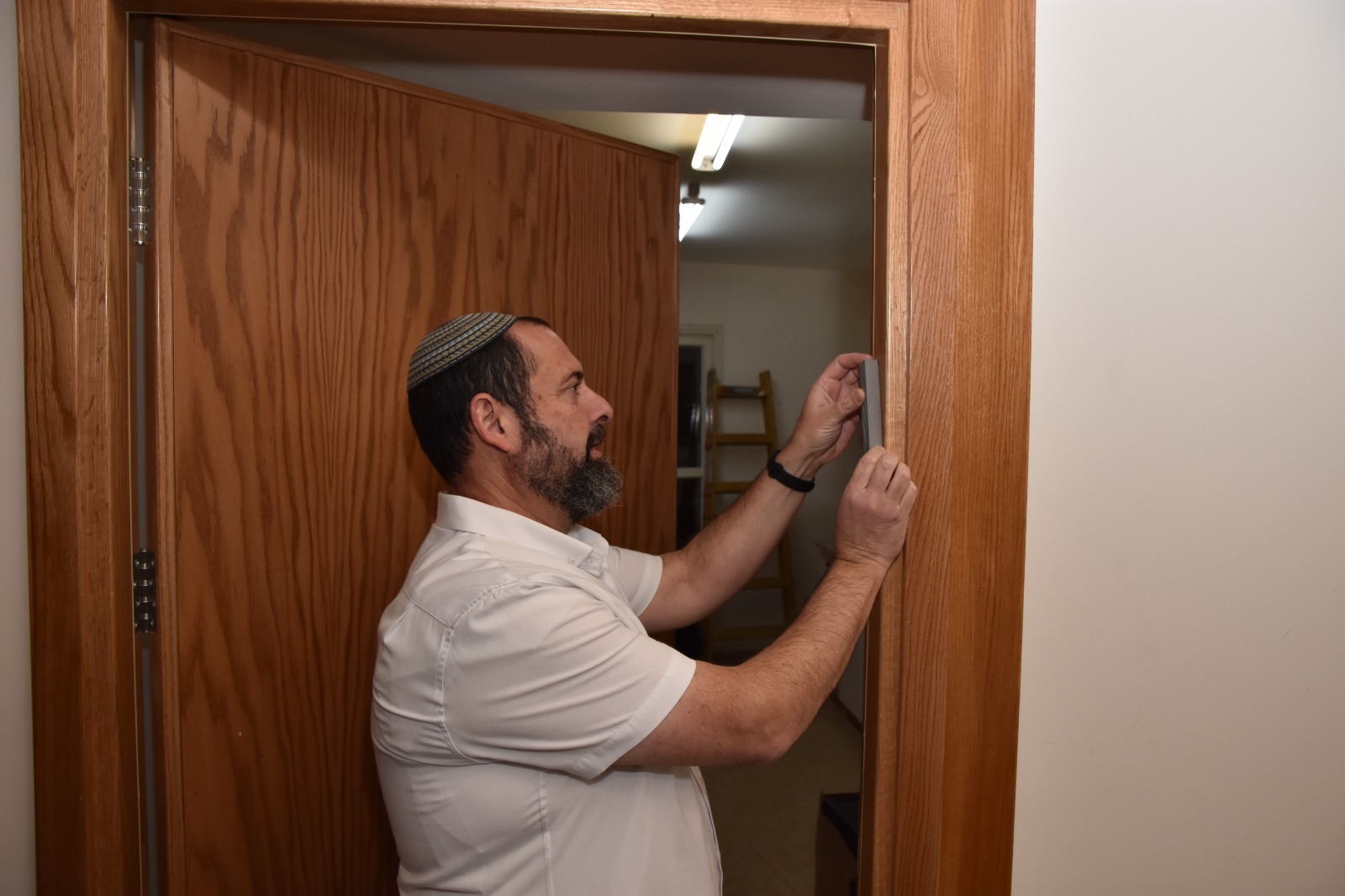
The Dedication began with the fathers of all the fallen attaching the Mezuzot to the door posts.

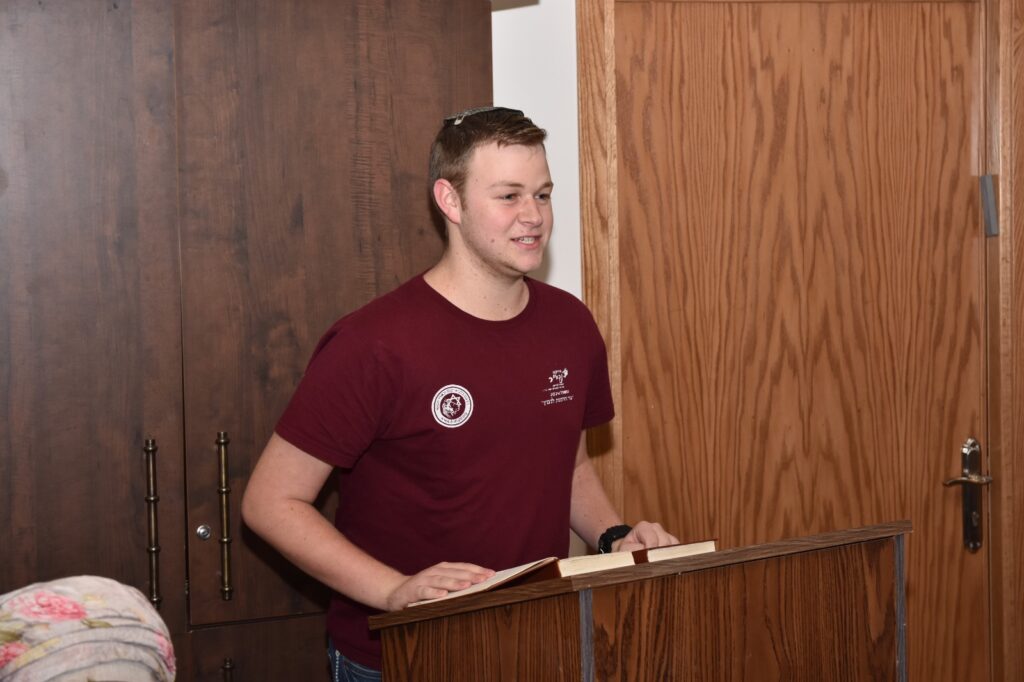
Following in Ari’s footsteps, this was followed by a Siyum and beautiful Dvar Torah by Ari’s son Natan.

Finishing off were words by Miriam Fuld, Rav Avri Newlander and Yami Weiser.

We’d like to thank all our donors and supporters that helped turn this into a reality.

Support the Beit Midrash: https://arifuld.org/campaigns/beitmidrash/

 
Photos by David Tuttle Cohen

Israel at War Emergency Campaign

The Ari Fuld Project is helping IDF units around the country gear-up to defend Israel.

Safra v’Saifa – The Sefer and the Sword

Strengthening Spiritual Resilience

Building the Ari Fuld Beit Midrash

An everlasting living memorial to Ari Fuld. Dedicated in memory of Roey Weiser and Elkana Newlander.

Roaring Lion: Israel at War

Emergency Campaign

Ari's Posts

What Kind of Government Does the Torah Want? – Parshat Shoftim

Is Judaism a democracy, a monarchy, or a theocracy—and what happens when those systems come into conflict? Ari Fuld argues that the Torah’s answer is all three, but only when judges, leaders, and even kings remain subordinate to an objective morality defined by Torah.

Between Opinion and Morality – Parshat Re’eh

Why does the Torah tell us to “see” the blessing and the curse rather than simply listen? Why are the blessing and curse presented as the choice itself rather than as later rewards and punishments? Can morality be defined by each person and society according to what seems right in their own eyes, and if not, what makes the Torah’s moral standard objective and binding?

Parshat Eikev – The Strength to Act Comes From God

How much of Israel’s success comes from our own courage and effort, and how much comes from God? Parashat Eikev teaches that faith does not replace action—God gives us the strength, but it is up to us to use it.

Tisha B’Av: What Are We Still Crying For?

On Tisha B'Av, Ari Fuld challenges us to look beyond mourning the tragedies of the past and recognize the extraordinary moment in Jewish history in which we are living. The question is no longer only what God will do for us, but whether we have the clarity and courage to take the next step toward redemption.

The Secret to Living Successfully in the Land of Israel – Parshat Va’etchanan

Those of us living in Israel are constantly asking ourselves: How do we succeed here? How do we gain the world’s respect? How do we achieve peace? How do we stop the killing of Jews and others in this country? This week’s parsha gives us the answers.

Destructive Unity – Parshat Devarim

When is unity a source of strength, and when can it become destructive? Why must Yehoshua be strong and courageous if God has already promised to fight for him—and how can human strength and faith in God work together?

Of Settlers and Soldiers – Parshat Matot-Masei

Why does Moshe accuse the two and a half tribes of repeating the spies' mistake, when their request to settle east of the Jordan seems like the opposite of the spies refusing to enter the land at all? How are we supposed to deal with terrorism? Who were the first IDF officers?

The Real Definition of Peace – Parshat Pinchas

What is the lesson of Pinchas? What did he actually do — and why was he given the brit shalom, the covenant of peace, for an act of killing? And what does that teach us about the definition of peace today, when we give away the Temple Mount, sign treaties with terrorists, and call it moral?

Israel Shield Magazine

Recent Events